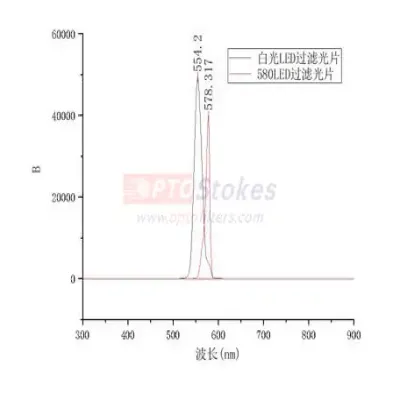
How do we diagnose and optimize the BP585 bandpass filter wavelength shift in PCR systems?
Facing a wavelength shift from 585nm to 554nm in PCR instruments? Learn how non-collimated white LED light causes optical filter blue shift and how to fix it.
Details
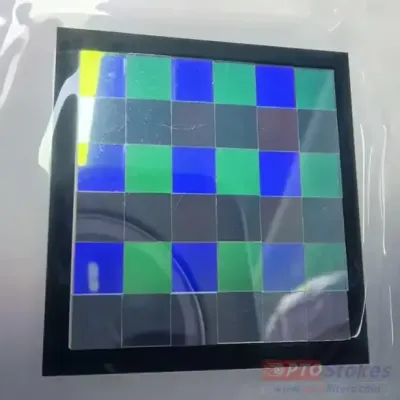
How to Achieve Multiple Spectral Bands on a Single Glass Substrate?
Description: Optimize your optical system with OPTOStokes' multi-band optical filters. Precision single-substrate splicing for high-performance custom spec...
Details
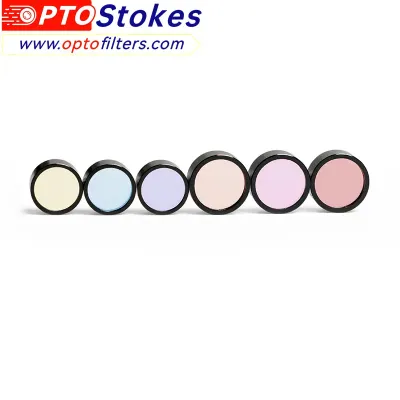
Pesticide Detection Methods & Optical Filters | OPTOStokes
Explore pesticide residue detection methods like chromatography & spectrometry. OPTOStokes optical filters deliver enhanced accuracy for analytical testing.
Details

Dragon Boat Festival 2026 Holiday Announcement
OPTOStokes announces its 2026 Dragon Boat Festival closure schedule. Check holiday dates, service rules, and contact us for urgent optical filter inquiries.
Details
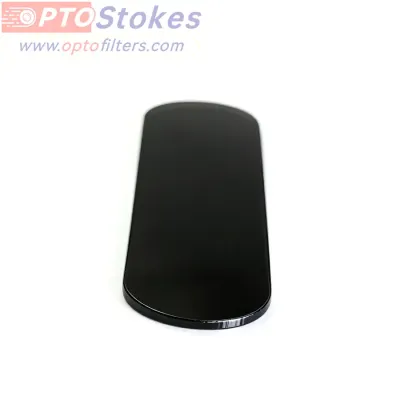
What Are Infrared PMMA Filters?
OPTOStokes infrared PMMA filters block visible light (<1% T) and transmit 80-95% NIR. Custom IR acrylic panels with anti-scratch coatings available.
Details
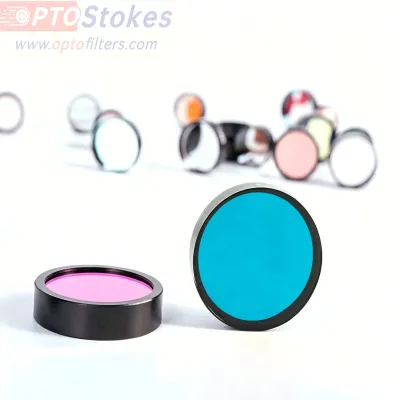
What Materials Are Optical Thin Films Made Of?
Learn about optical thin film materials, their behavior during deposition, stoichiometry changes, and analysis techniques from OPTOStokes coating experts.
Details
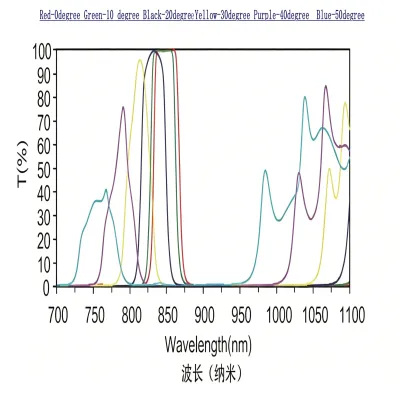
How Does the Angle of Incidence Affect Optical Filter Performance?
Learn how angle of incidence (AOI) affects optical filter performance, including center wavelength blue shift, and best practices for filter placement from OPTO...
Details
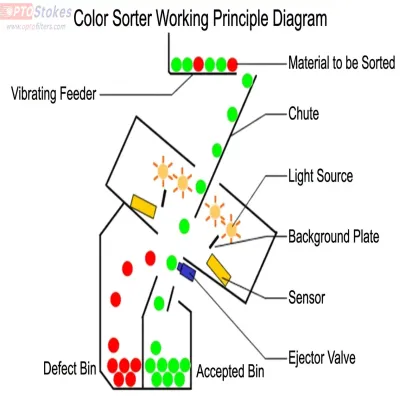
What is the Working Principle of a Color Sorter?
Learn the working principle of color sorters, including optical detection systems, core components, and how OPTOStokes optical filters enhance sorting accuracy.
Details
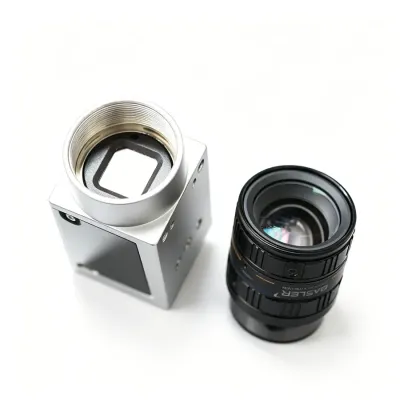
Stray Light Control in Optical Systems: Causes, Effects, and Filter-Based Solutions
Learn what causes stray light, how it affects imaging and spectroscopy, and how OPTOStokes optical filters help suppress unwanted wavelengths.
Details